Crawl Space Drying: A Bluffdale Homeowner's Guide
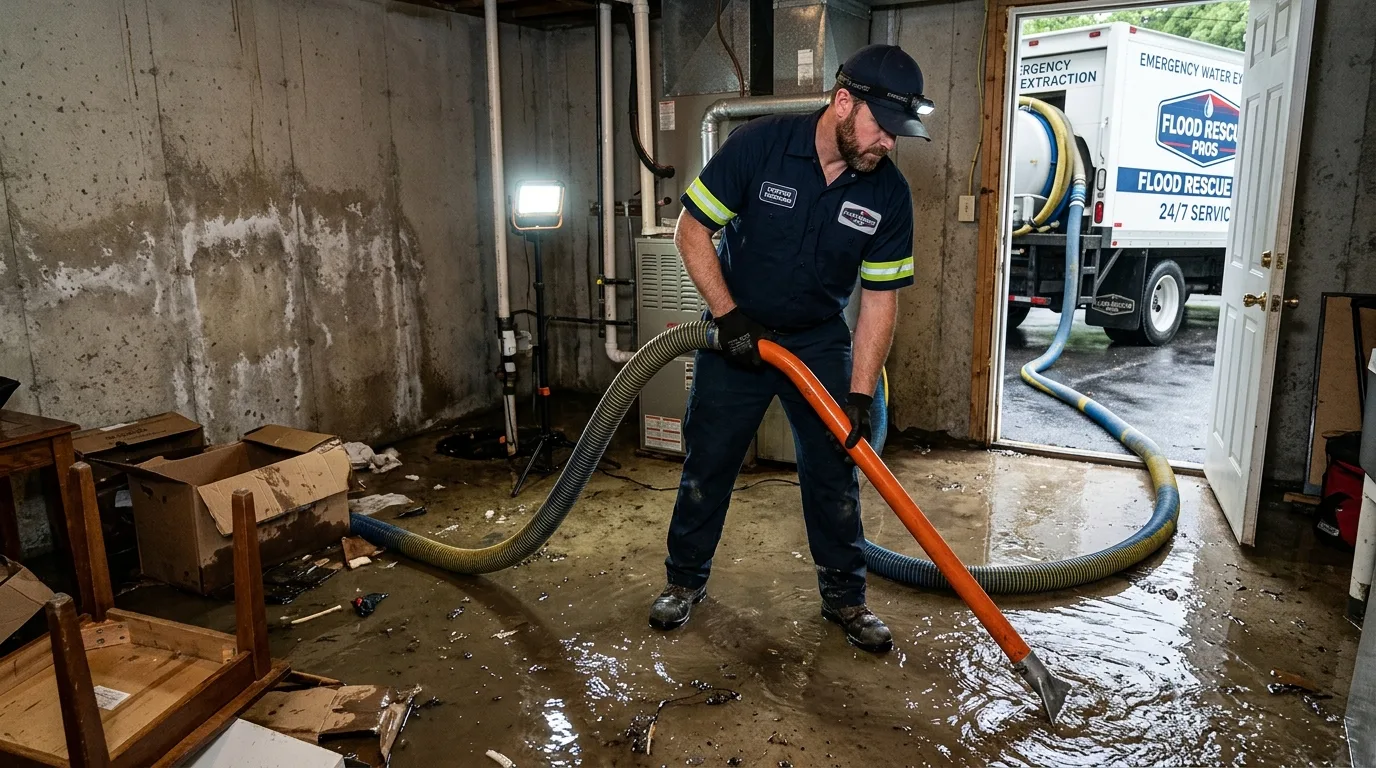
Crawl spaces are one of the most overlooked sources of water damage and mold in Bluffdale homes. In this post, we cover why Bluffdale’s clay soil creates elevated crawl space moisture risk, the signs that indicate a crawl space problem, and what professional crawl space drying involves.
Crawl Space Moisture in Bluffdale? Get a Professional Assessment.
Crawl space drying and mold prevention throughout Salt Lake County. Call (877) 698-1311.
Why Crawl Space Drying Matters in Bluffdale
Crawl space moisture in Bluffdale is a structural problem that most homeowners don’t discover until the damage is visible — musty odors rising through the floor, hardwood flooring that has begun to cup or gap, or visible mold on floor joists inspected during a home sale. By the time these signs appear, moisture has typically been accumulating in the crawl space for one or more seasons.
Bluffdale’s clay soil creates the conditions for this problem. The Bluffdale soil series — very deep, fine silty clay loam with slow permeability — holds moisture against and beneath the crawl space floor through multiple mechanisms. During spring snowmelt, saturated clay soil adjacent to and beneath the crawl space maintains elevated soil moisture levels for weeks. That moisture evaporates upward through the crawl space soil and condenses on cooler structural surfaces — the underside of the subfloor, floor joists, and vapor barriers or their absence.
Homes throughout Day Ranch, Perry Farms, and Spring View Farms subdivisions — areas with significant crawl space construction — experience this seasonal moisture pattern. Without a functioning vapor barrier and adequate ventilation or conditioning, the crawl space becomes the most moisture-impacted area in the home and the primary driver of floor-level humidity, mold, and structural deterioration over time.
Types of Crawl Space Moisture Problems in Bluffdale
Soil moisture evaporation (ground vapor): The primary source in most Bluffdale crawl spaces. Moisture from the clay soil beneath the crawl space evaporates upward into the crawl space air. Without a vapor barrier covering the soil and appropriate ventilation, this moisture accumulates and condenses on structural surfaces.
Groundwater seepage: During Bluffdale’s spring peak, groundwater elevation in the Jordan River corridor area and throughout the western part of the city can introduce water into crawl spaces through foundation walls or beneath the crawl space floor. This is distinct from soil evaporation and requires different solutions.
Condensation from temperature differential: In summer, warm moist outdoor air enters vented crawl spaces and contacts the cooler crawl space surfaces — condenses, and wets structural materials. This “stack effect” creates moisture problems during warm seasons even when the soil beneath is relatively dry.
Plumbing leaks in the crawl space: Supply and drain lines running through crawl spaces can develop leaks that go undetected for extended periods because the crawl space is rarely inspected. These leaks wet adjacent structural materials continuously until discovered.
Practical Steps: Assessing Your Bluffdale Crawl Space
Annual inspection before spring: Inspect your crawl space each February — before peak snowmelt season — to assess vapor barrier condition, check for standing water from prior fall events, and verify that sump systems (if present) are operational. Use a headlamp and disposable coveralls; many Bluffdale crawl spaces are minimally accessible.
Check vapor barrier coverage and condition: A properly installed vapor barrier should cover the entire crawl space soil surface with overlapping seams and sealed penetrations. Gaps, tears, or barriers that have been displaced create evaporation pathways. If the vapor barrier is absent or inadequate, moisture will migrate upward throughout the season.
Look for mold on floor joists and subfloor sheathing: Mold appears on wood surfaces as black, gray, or greenish discoloration. In crawl spaces, it most commonly develops on the bottom face of the subfloor sheathing and on the sides of floor joists. If visible mold is present, professional mold remediation is needed before vapor barrier improvements will be effective.
Measure crawl space humidity: A wireless hygrometer placed in the crawl space for 24–48 hours provides objective measurement of humidity levels. Crawl space relative humidity should ideally remain below 60% year-round. Readings consistently above 70–80% indicate a moisture management problem that warrants professional assessment.
Professional Crawl Space Drying in Bluffdale
Full assessment, dehumidification, and mold prevention. Call (877) 698-1311 for same-day response.
How Professional Crawl Space Drying Works
Professional crawl space drying in Bluffdale addresses the immediate moisture problem and the underlying cause. For acute flooding or standing water, extraction is the first step — removing any standing water from the crawl space floor using portable extraction equipment. After extraction, crawl-space-rated air movers and dehumidifiers are positioned to create airflow across wet structural surfaces and draw moisture from the space.
The drying process typically takes 3–5 days for a standard crawl space event. Technicians access the crawl space daily to take moisture readings from wood members and adjust equipment placement. The target is wood moisture content below 19% for floor joists and subfloor sheathing — the threshold below which mold cannot sustain active growth.
If mold is present on structural surfaces, mold remediation is performed during or after the drying phase — cleaning mold from accessible surfaces with appropriate tools and EPA-registered antimicrobials, and treating the space for prevention. For Bluffdale crawl spaces with persistent moisture problems, we also assess vapor barrier condition and can recommend the specific improvements needed to prevent recurrence.
Cost Factors for Crawl Space Drying in Bluffdale
Crawl space drying in Bluffdale ranges from $1,000–$3,000 for a standard single-event drying project to $3,000–$8,000 or more for crawl spaces with mold remediation, significant material damage, or persistent moisture management issues requiring vapor barrier replacement. The Draper area adjacent to Bluffdale benchmarks at $2,298–$2,361 for standard water damage work across Salt Lake County, and crawl space projects fall within or slightly above this range depending on access difficulty and scope.
Crawl space moisture problems that are addressed promptly — before mold establishes on joists and subfloor — are significantly cheaper to resolve than those discovered after extensive mold growth has occurred. A vapor barrier inspection ($200–$400) that identifies a compromised barrier costing $1,000–$2,000 to replace is far cheaper than the mold remediation ($3,000–$8,000+) and potential subfloor replacement that follows years of unaddressed moisture.
Frequently Asked Questions
How do I know if my Bluffdale crawl space has a moisture problem?
The most reliable indicators are: musty odor in first-floor rooms (moisture from the crawl space migrates upward), hardwood flooring that is cupping or developing gaps (moisture from below), visible mold on floor joists or subfloor during a crawl space inspection, and crawl space humidity readings above 70% during a 24-hour assessment. Bluffdale homes with crawl spaces should be inspected at least annually, particularly in late spring after snowmelt season, to catch developing problems before they become expensive remediations.
Do I need a permit for crawl space drying or vapor barrier work in Bluffdale?
Emergency crawl space drying and vapor barrier replacement typically do not require a permit in Bluffdale. Structural repairs to floor joists or subfloor sheathing may require a permit. Significant waterproofing work or drainage installation may require permits depending on scope. File permits electronically with the city; inspections are scheduled by calling 801-849-9425 before 3:30 pm the prior business day. We advise on permit requirements for every project in Salt Lake County.
How long will crawl space drying last in Utah’s climate?
Professional drying addresses the immediate moisture event, but long-term crawl space health depends on ongoing moisture management — specifically, a complete vapor barrier, functional drainage, and appropriate ventilation or conditioning. In Bluffdale’s clay-soil environment, a properly managed crawl space with a quality vapor barrier and a functioning dehumidifier (for conditioned crawl spaces) can maintain acceptable humidity year-round. Without these systems, annual moisture intrusion during Bluffdale’s spring snowmelt cycle will continue regardless of how well drying is performed after each event.
Crawl Space Drying and Mold Prevention in Bluffdale
Call Bluffdale Water Damage Restoration at (877) 698-1311 — professional assessment and drying throughout Salt Lake County.
Related: