Black Water vs Clean Water: What Bluffdale Homeowners Need to Know
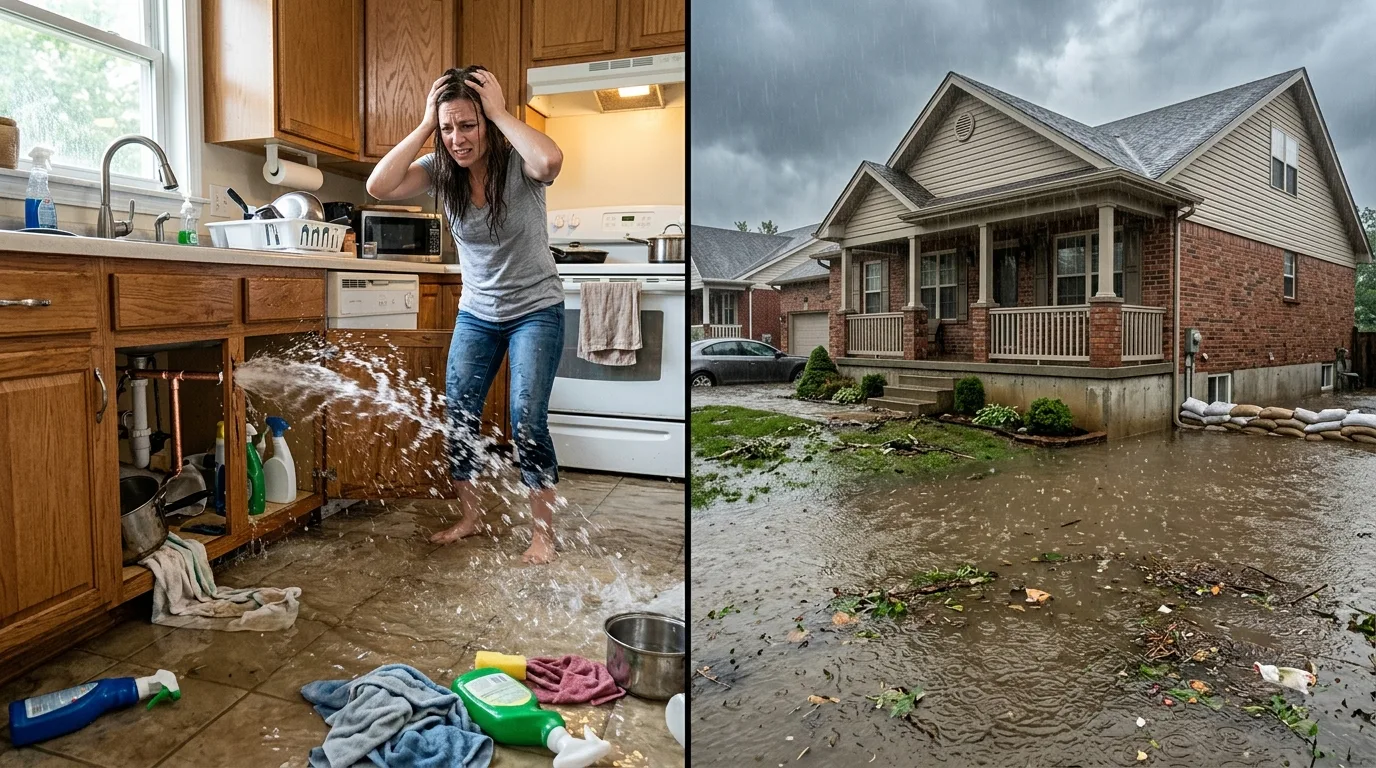
When water enters your Bluffdale home, the source determines everything: the cleanup approach, the health risk, the cost, and what your insurance covers. In this post, we cover the IICRC water damage categories — Category 1 (clean water), Category 2 (gray water), and Category 3 (black water) — and what each means for Bluffdale homeowners in practical terms.
Professional Water Damage Cleanup in Bluffdale — All Categories
Certified response for any water source. Call (877) 698-1311 for 24/7 service throughout Salt Lake County.
Why Water Categories Matter for Bluffdale Homeowners
The IICRC (Institute of Inspection, Cleaning and Restoration Certification) classifies water damage into three categories based on contamination level. These are not arbitrary designations — each category requires a different cleanup approach, different personal protective equipment, and different decisions about which materials can be saved versus which must be removed. The category also determines cost per square foot and affects how your insurance claim is processed.
In Bluffdale’s specific water damage environment, all three categories appear regularly. Winter and spring flooding events primarily produce Category 1 events (clean snowmelt and groundwater seepage). Appliance failures and washing machine overflows are typically Category 2. Sewage backups — an elevated risk in Bluffdale during spring when groundwater saturation increases sewer system backpressure — are Category 3. Knowing the category before a restoration company arrives helps homeowners understand the scope of work that is about to occur.
Category 1: Clean Water
Clean water comes from a sanitary source and presents minimal health risk at the time of loss. Examples in Bluffdale homes include:
- Burst supply pipes (copper or PEX supply lines carrying potable water)
- Snowmelt water that entered through a foundation crack or window well without soil or organic contamination
- Overflowing sinks or bathtubs from clean supply water
- Appliance supply line failures (dishwasher, refrigerator ice maker)
Category 1 water can be cleaned up with extraction, drying, and standard antimicrobial treatment. Porous materials — carpet, drywall — may be salvageable if drying is begun within the first 24 hours and materials have not yet degraded. Per square foot cleanup cost runs $3–$4 in Bluffdale’s market.
Important note: Category 1 water degrades over time. Water that was Category 1 at the time of loss becomes Category 2 after 24–48 hours as bacterial growth and organic contamination from contact with building materials begins. Rapid response is what keeps clean-water events in this lowest-cost, lowest-risk category.
Category 2: Gray Water
Gray water contains significant contamination and can cause sickness or discomfort if contacted or ingested. Examples in Bluffdale include:
- Dishwasher or washing machine overflow (contains detergents, soil, food particles)
- Toilet overflow containing urine but not feces
- Aquarium or waterbed failures
- Sump pump failures where water has been sitting in the pit for extended periods
- Category 1 water that has degraded after 48 hours without treatment
Category 2 cleanup requires protective equipment for technicians and more aggressive antimicrobial treatment than Category 1. Carpet may or may not be salvageable depending on contamination level and how quickly response occurred; drywall that contacted gray water is typically removed if moisture penetrated above a manageable height. Per square foot cost runs $4–$7 in Bluffdale.
Category 3: Black Water (Sewage)
Black water is grossly contaminated and contains pathogens that pose serious health risks. This is the highest-risk and highest-cost category. Category 3 events in Bluffdale include:
- Sewage backup through floor drains or toilets
- Flooding from the Jordan River or surface flooding that brings in outdoor contamination
- Gray water that has further degraded and supports microbial growth
- Floodwater from any external source (contains soil bacteria, possible sewage from overwhelmed infrastructure)
Category 3 cleanup requires full biohazard protocols: technicians in respiratory protection and full PPE, complete removal of all porous materials that contacted the water (no exceptions — carpeting, drywall, insulation must all come out), EPA-registered disinfectants appropriate for pathogen-containing water, and post-clearance testing before reconstruction. Per square foot cost runs $7–$7.50 in the Bluffdale market.
The higher cost of Category 3 reflects both the required protocols and the mandatory material removal — every porous surface that contacted sewage must be replaced, regardless of how it looks after drying.
All Water Damage Categories Handled in Bluffdale
Category 1 through 3 certified response. Call (877) 698-1311 — 24/7 throughout Salt Lake County.
How Water Categories Affect Your Bluffdale Insurance Claim
The water source category matters for your insurance claim in two ways. First, coverage may differ: sudden and accidental Category 1 events (burst pipe) are almost universally covered by standard homeowners insurance. Category 3 sewage backup events may be excluded without a specific sewer backup rider. Category 2 events fall in a middle zone where coverage depends on the specific cause and policy language.
Second, documentation matters: insurance adjusters use water category to evaluate whether the restoration scope — specifically, what materials were removed — was appropriate. Category 3 events require complete porous material removal; an adjuster will expect to see this in the scope and may question a Category 3 claim where carpet was dried rather than removed. We document water category at assessment using observable indicators (source, odor, appearance, age of water) and include this categorization in all project records.
Practical Steps When You Don’t Know the Water Category
When water enters your Bluffdale home and you’re not certain of the source or category, treat it conservatively:
- Do not enter standing water if you suspect sewage contamination (musty or sewage odor, brown or gray discoloration)
- Do not touch water from unknown sources without protective gloves
- Do not operate HVAC systems that might distribute contaminated air
- Call a professional before attempting cleanup — misidentifying a Category 3 event as Category 1 and attempting DIY cleanup can spread contamination and create serious health risks
When we arrive, water category assessment is one of the first steps in our protocol — before any cleanup begins. This assessment protects both the technicians and the occupants and determines the correct response for the specific event.
Cost Factors Across Water Categories in Bluffdale
Cleanup costs in Bluffdale span a range determined primarily by water category and affected area:
- Category 1 (clean water): $3–$4 per square foot; $450–$1,000 for small events, $1,361–$6,270+ for room-scale
- Category 2 (gray water): $4–$7 per square foot; moderate events typically $2,000–$8,000
- Category 3 (black water/sewage): $7–$7.50 per square foot; $2,000–$5,000 for minor events, $7,000–$16,000+ for significant events
The Draper area adjacent to Bluffdale benchmarks at $2,298–$2,361 for standard Category 1–2 restoration work across Salt Lake County. Bluffdale’s higher home values mean replacement materials are more expensive than average, which affects total project cost for all categories.
Frequently Asked Questions
Can Category 1 water damage become Category 3 in Bluffdale?
Yes — water category can escalate over time. Category 1 clean water that is not extracted and dried within 24–48 hours degrades to Category 2 as bacteria multiply and organic materials from contact with building materials contaminate the water. If sewage is present anywhere in the drainage system and backpressure is possible, Category 2 can become Category 3. This escalation is one of the most important reasons for immediate professional response — a clean-water event addressed within hours is vastly cheaper and simpler to clean up than the same event addressed two days later.
Does Category of water damage affect how long restoration takes in Bluffdale?
Yes. Category 1 events with rapid response typically follow the standard 3–5 day drying timeline. Category 2 events require additional antimicrobial treatment and potentially more material removal, adding 1–2 days to the process. Category 3 events require mandatory porous material removal, full decontamination, and post-clearance testing before reconstruction can begin — typically 5–7 days for the cleanup phase alone before reconstruction starts. Total project timelines for Category 3 events are longer because all affected materials must be rebuilt from scratch.
How does sewage backup relate to Bluffdale’s spring flooding season?
Bluffdale’s spring snowmelt saturates the clay soil surrounding sewer lines, causing groundwater infiltration into the municipal sewer system that increases total system flow. When system flow approaches capacity, backpressure in lower connections can push sewage back through floor drains in basements throughout Salt Lake County. This is why sewage backup — a Category 3 event — is more common in Bluffdale during March and April than at any other time of year. Preventive measures include a backwater valve on your sewer lateral, awareness of system conditions during heavy melt events, and the sewer backup rider on your homeowners insurance policy.
Water Damage Restoration for Any Category in Bluffdale
Bluffdale Water Damage Restoration — certified, documented, insurance-ready. Call (877) 698-1311.
Related: