Burst Pipe Prevention Tips for Bluffdale Homeowners
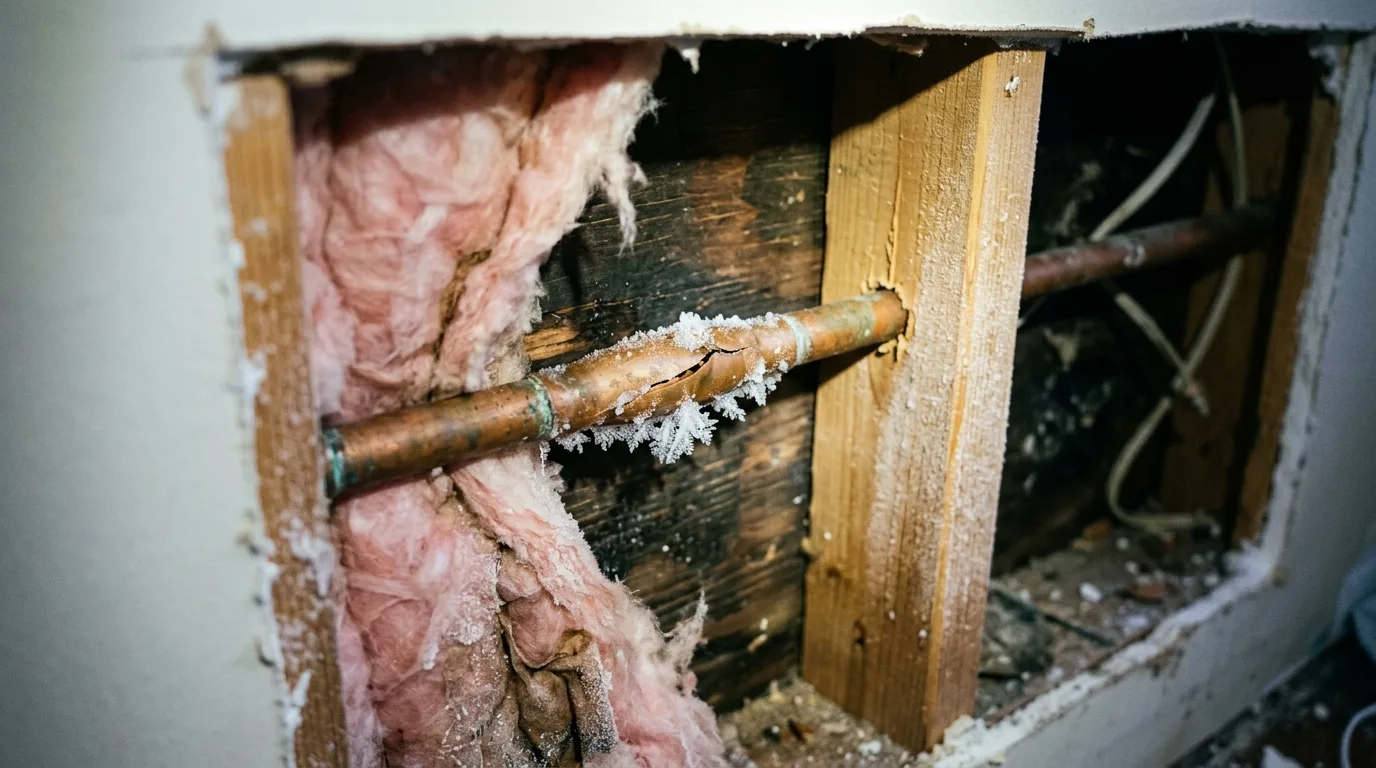
Burst pipe prevention in Bluffdale comes down to understanding which pipes are vulnerable and taking specific steps before the temperature drops. In this post, we cover the most effective preventive measures for Bluffdale’s freeze-thaw winter climate, which pipe locations are highest risk, and what to do before you leave home for an extended period in winter.
Burst Pipe in Bluffdale? Emergency Response Available 24/7
Immediate extraction and drying throughout Salt Lake County. Call (877) 698-1311.
Why Burst Pipe Prevention Matters in Bluffdale
Bluffdale’s winter climate creates conditions specifically hostile to unprotected plumbing. Average winter lows of 21°F, combined with the semi-arid low humidity that reduces the insulating effect of ambient moisture, make Bluffdale one of the higher-risk Utah cities for freeze-thaw pipe damage. When indoor temperatures drop and pipes in exterior walls, garages, or crawl spaces cool below 32°F, the water inside freezes and expands — up to 9% in volume — creating internal pressure that eventually fractures the pipe material.
The economic consequence is significant. A single burst pipe can release thousands of gallons into a finished space before discovery. Bluffdale homeowners in the Bluffdale Heights and Independence at the Point subdivisions, where many homes were built with modern but not always adequately insulated exterior wall framing, report burst pipe claims every winter. Prevention costs a fraction of restoration — and takes a fraction of the time.
Types of Vulnerable Pipe Locations in Bluffdale Homes
Exterior wall cavities: Supply lines routed through exterior walls are the most common freeze location. Modern energy-efficient framing in newer Bluffdale homes often has foam insulation that is installed on the exterior of the sheathing — leaving wall cavities with pipes potentially exposed to cold penetration from the interior side in extreme cold events.
Unheated garage supply lines: Garage interiors in Bluffdale routinely drop well below exterior temperatures because garage doors have minimal insulation. Supply lines for laundry sinks, ice makers, and outdoor spigots that run through garage spaces are highly vulnerable.
Crawl space plumbing: Homes in the Day Ranch area and other Bluffdale subdivisions with crawl space construction have supply and drain lines beneath the floor in a space that is unconditioned and can reach extreme cold. Crawl space piping that lacks pipe insulation and heat tape is a consistent winter failure point.
Outdoor hose bibs: The single most preventable burst pipe scenario. Hose bibs connected to indoor supply lines freeze at the wall penetration when not properly drained and capped before winter. The freeze propagates from the exterior bib back into the supply pipe inside the wall.
Vacation home or unoccupied property piping: Properties left at minimum heat settings or unoccupied for extended periods experience the highest burst pipe rate in Bluffdale. Indoor temperatures that drop into the 50s are sufficient to allow exterior wall pipe temperatures to approach freezing during overnight cold snaps.
Practical Prevention Steps for Bluffdale Homeowners
Insulate all exposed pipes in vulnerable locations: Foam pipe insulation (the split foam tubes available at hardware stores) applied to all pipes in exterior wall cavities, garages, and crawl spaces is the most cost-effective single prevention measure. Focus first on pipes closest to exterior surfaces and in the coldest spaces. In a Bluffdale crawl space, wrap all supply lines and consider adding heat tape on the most exposed sections.
Drain and cap outdoor hose bibs before mid-October: This eliminates the most common burst pipe cause in Bluffdale entirely. Turn off the indoor shutoff valve that supplies each exterior hose bib, then open the bib to drain residual water. Leave the bib in the open position so any remaining moisture can escape. This takes 5 minutes per bib and prevents a potentially $5,000–$15,000 restoration event.
Maintain indoor temperature above 55°F even when away: When leaving home for more than a few days in winter, 55°F is the minimum interior temperature that prevents pipe freezing in adequately insulated homes. For homes with known vulnerabilities — pipes in exterior walls that have frozen before, or garages with supply lines — 60–65°F is a safer minimum.
Open cabinet doors under exterior wall sinks: On nights when temperatures drop below 10°F, opening the cabinets under kitchen and bathroom sinks on exterior walls allows warm air to circulate around the supply pipes. This simple step prevents the most common extreme-cold-night pipe freezes.
Allow a trickle from vulnerable faucets during extreme cold: Moving water freezes more slowly than still water. On nights with forecasted lows below 0°F, allowing a thin trickle from faucets connected to pipes in exterior walls or garages provides meaningful freeze protection.
Install a water leak detector in high-risk areas: Wireless water sensors placed near the main supply shutoff, under sinks, and near appliances provide immediate notification if water is detected — allowing you to respond before a minor leak becomes a major event. Smart leak detection systems integrated with the home’s WiFi are particularly useful for Bluffdale homes that may be unoccupied for periods during winter travel.
Burst Pipe Restoration in Bluffdale — Fast and Fully Documented
When prevention fails, we respond 24/7. Call (877) 698-1311 for extraction and drying throughout Salt Lake County.
What to Do If a Pipe Freezes Before It Bursts
If you discover a pipe that is frozen but has not yet burst — typically identified by no water flow from a specific fixture combined with frozen conditions — you have an opportunity to prevent the burst.
Apply gentle heat to the frozen section: use an electric heat pad, a hair dryer on low heat, or warm (not hot) towels applied to the accessible pipe. Work from the faucet end of the pipe toward the cold area — this allows melt water to escape through the open faucet rather than building pressure. Never use an open flame to thaw a pipe.
Keep the faucet open during thawing so water and steam can escape as the pipe thaws. Once flow is restored, check the pipe visually for any cracks or splits that may have developed under the freeze pressure — a pipe that has been frozen may be compromised even if it doesn’t immediately burst.
If you cannot access the frozen section safely, call a plumber for thawing rather than attempting improvised heat application in wall cavities or tight spaces.
Cost Factors for Burst Pipe Restoration in Bluffdale
Burst pipe restoration in Bluffdale ranges from $1,361–$6,270 for typical room-scale events to $7,000–$16,000+ when water spreads across multiple rooms or floors before discovery. Clean water from a frozen pipe is Category 1 ($3–$4 per square foot for cleanup) — the most favorable category from a cost perspective. The Draper benchmark of $2,298–$2,361 for standard restoration reflects the typical cost range for burst pipe events in this part of Salt Lake County.
Prevention is dramatically cheaper than restoration. The combined cost of pipe insulation, heat tape for the most vulnerable sections, and proper hose bib winterization runs $100–$300 for most Bluffdale homes — versus the average insurance deductible alone for a burst pipe claim, which typically runs $1,000–$2,500.
Frequently Asked Questions
What temperature does it need to be for pipes to freeze in Bluffdale?
Pipes freeze when their temperature reaches 32°F. In a properly heated home, exterior air temperatures of 20°F are generally needed to bring interior wall cavity temperatures below freezing — but this depends on wall insulation quality. In Bluffdale’s semi-arid climate, low humidity accelerates heat loss from wall cavities. The pipes at highest risk are those in poorly insulated exterior walls, garages, and crawl spaces where interior cavity temperatures can drop below 32°F when exterior temperatures are in the teens or below zero.
How do I know which pipes in my Bluffdale home have frozen before?
Burst pipe history is the most reliable indicator of vulnerability. If a specific pipe location froze in a previous winter, it will likely freeze again in similar conditions. Other indicators: pipes in exterior walls that face north or are in a consistently cold room, pipes running through garage space, and pipes in crawl spaces that lack insulation. A plumber can assess your home’s pipe routing and identify vulnerabilities before winter — particularly useful for newly purchased Bluffdale homes where the history is unknown.
Does salt or antifreeze help prevent pipes from freezing?
For supply plumbing, antifreeze is not appropriate — it contaminates the water supply. Salt-based products are similarly not applicable to interior supply plumbing. For outdoor irrigation systems, proper blowout and draining before winter is the correct approach. For pipes in crawl spaces, proper insulation combined with heat tape for the most exposed sections is the correct approach. There are no chemical additives that substitute for proper insulation and temperature management.
Burst Pipe Prevention and Response in Bluffdale
When prevention fails, we're ready. Call Bluffdale Water Damage Restoration at (877) 698-1311 — 24/7 emergency response.
Related: